
You may have come across clothing labels that say “Dry Clean Only.” It often raises a common question—what really happens if you wash these clothes at home?
While it might seem convenient to skip dry cleaning, it’s useful to understand why certain garments come with this instruction and what could change if they are washed differently.
Key TakeAways
- “Dry Clean Only” labels are usually based on fabric type, garment structure, and finishing.
- Washing these clothes at home may change the fabric texture, shape, or colour.
- Not all garments react the same way—results can vary depending on material and construction.
- Delicate details like lining, pleats, or embellishments may be affected during washing.
- Checking the care label is the simplest way to decide how to handle the garment.
- Spot cleaning and proper storage can help reduce the need for frequent cleaning.
Why Some Clothes Are Marked “Dry Clean Only”
Clothing is labeled this way for a few practical reasons:
- Fabric type: Materials like wool, silk, velvet, or structured blends may react differently to water.
- Garment construction: Items with lining, padding, or tailored shapes may lose their structure.
- Dyes and finishes: Some fabrics are treated or dyed in a way that may not respond well to regular washing.
The label is usually meant to guide how the garment can be maintained over time.
What May Happen If You Wash Them at Home
Washing “dry clean only” clothes doesn’t always lead to the same outcome, but here are a few changes that can occur:
1. Fabric Texture May Change
Some fabrics can feel different after being washed. For example, they may become slightly rough, stiff, or less smooth than before.
2. Shape or Fit May Alter
Garments with a defined structure—like blazers, dresses, or suits—may not hold their original shape after washing.
3. Colour May Look Different
There can be slight fading or uneven colour appearance, especially with darker or richly dyed fabrics.
4. Stitching or Details May Be Affected
Delicate elements like embellishments, lining, or pleats may not stay intact in the same way.
What You Can Do Instead
If you’re unsure how to handle a “dry clean only” item, here are a few simple approaches:
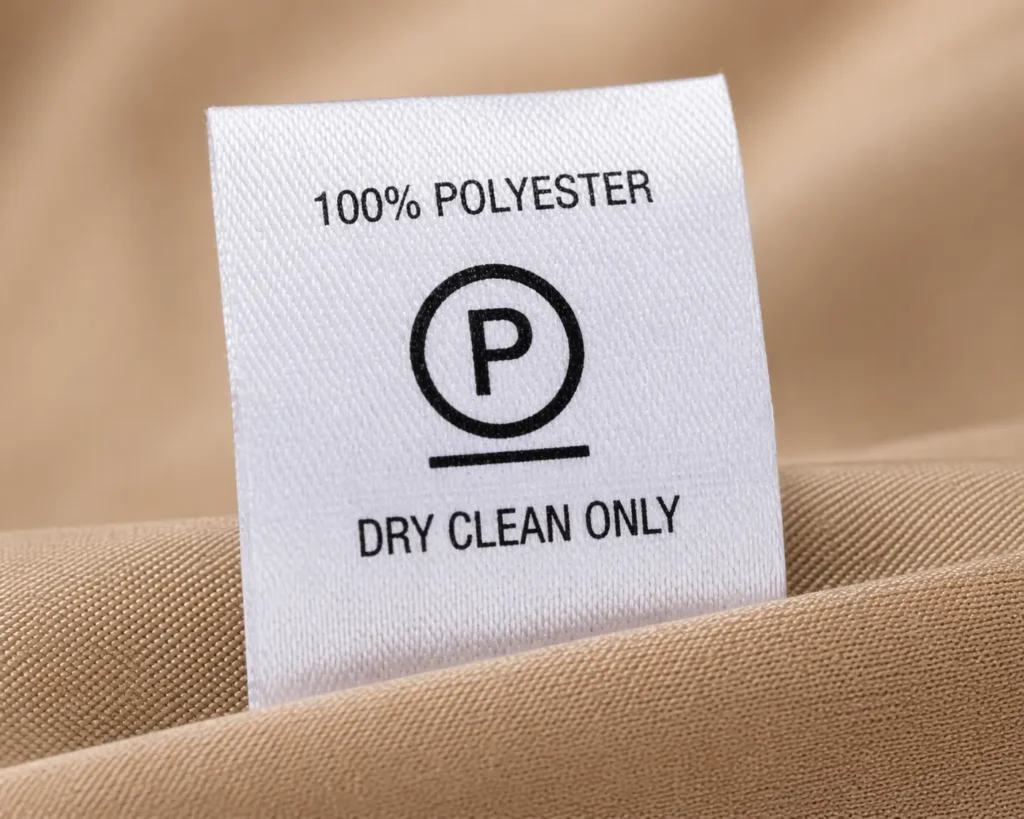
- Check the care label carefully for any additional instructions
- Test a small area if you’re trying a different cleaning method
- Limit frequent washing and focus on spot cleaning when possible
- Store properly to keep the garment fresh for longer
Frequently Asked Questions
Some people choose to wash certain garments at home, but the outcome can vary depending on the fabric and how the garment is made.
“Dry clean” suggests a recommended method, while “dry clean only” indicates that the garment is intended to be cleaned using that process.
In some cases, washing may change the look, feel, or shape of the garment, though the extent can differ for each item.
Fabrics like wool, silk, velvet, and certain blends are commonly given this label due to how they respond to water and movement.
You can air them out, store them properly, and use gentle spot cleaning for small areas when needed.
It depends on the fabric and garment structure. Since results vary, checking the care label is the safest approach.