
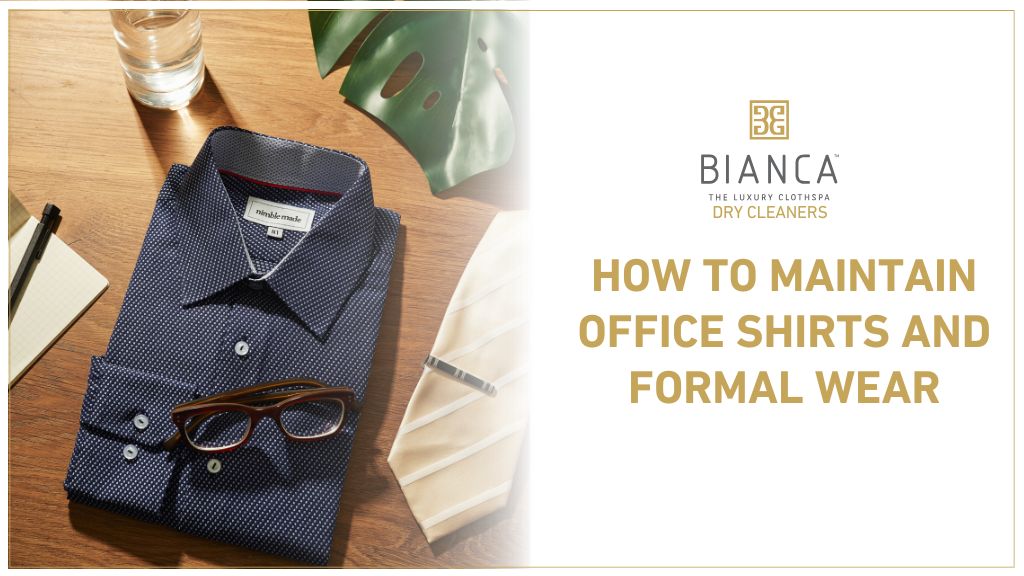
A crisp, well-pressed shirt is more than just clothing. It’s the silent foundation of professional confidence. Whether you are leading a boardroom presentation or meeting a high-stakes client, your attire signals attention to detail and self-respect. However, high-quality cotton and linen blends are investments that require specific care. Learning how to maintain formal shirts properly doesn’t just keep you looking sharp; it also significantly extends the lifespan of your wardrobe, saving you thousands in replacement costs over time.
The Daily De-Brief: What to Do Immediately After Work
Maintenance begins the moment you step through your front door. Most damage to formal wear occurs from neglect in the first hour after you take it off.
- Air It Out: Never toss a worn shirt directly into a cramped, dark hamper. Perspiration and body heat trapped in the fibres can lead to permanent yellowing and odour retention. Hang the shirt in an open area for at least 30 minutes before laundering.
- Button Up: Before hanging a shirt (even a dirty one), fasten the top and middle buttons. This simple act preserves the placket structure and prevents the collar from collapsing.
- The 60-Second Spot Check: Inspect high-friction zones: the inner collar, cuffs, and underarms. Treating a stain while it is fresh is 90% of the battle.
Washing Protocol: How to Maintain Formal Shirts
To keep your shirts in rotation for years, move away from set-it-and-forget-it laundry habits. Use the following settings to preserve fibre integrity:
Wash Settings by Fabric
Fabric Type | Water Temp | Cycle | Spin Speed |
100% Cotton | Cold | Delicate | Low (400-600 RPM) |
Linen Blends | Lukewarm | Hand Wash/Delicate | Minimal/No Spin |
Easy-Care/Synthetic | Cold | Normal | Medium |
Step-by-Step Care
- Collar and Cuff Care: Pre-treat the neck and wrists with a gentle enzyme-based cleaner. Avoid aggressive scrubbing, which can fray the delicate interfacing.
- Temperature Control: Always use 30°C (86°F) or lower. High temperatures break down the fibres, causing shrinkage in the sleeves and neck.
- The Wash Cycle: Use a low spin speed. A high-speed spin wrings the fabric so violently that it can snap threads and cause permanent stress wrinkles.
Knowing When to Call the Professionals
While learning how to maintain formal shirts at home is effective for standard cottons, tailoring requires a different level of expertise. Certain high-twist cottons and intricate linen blends benefit from a deeper, molecular-level clean that standard home machines cannot achieve.
Bianca Cloth Spa specialises in this high-tier garment care, utilising eco-friendly solvents that lift microscopic debris without stripping the fabric’s natural lustre. For the busy professional in Mumbai, outsourcing the heavy lifting to specialists ensures your shirts maintain that first-wear crispness for years. Furthermore, remember that tailored blazers, silk ties, and wool trousers belong to a different category entirely. In fact, these are prime examples of the 5 Luxury Garments That Should Never Go in a Washer or Dryer.
The Art of Pressing: Ironing vs Steaming
- Steaming: Best for quick morning touch-ups or delicate linen blends. It relaxes fibres without the risk of scorching.
- Ironing: Essential for that military-grade crispness. Iron while the shirt is slightly damp.
*Pro Tip: Avoid maximum heat settings. Excessive heat can caramelise natural cotton sugars, leading to permanent yellowing and damaging buttons.
Storage Secrets for Formal Wear
- Ditch the Wire: Throw away thin wire hangers. They create shoulder nipples, or unsightly bumps that ruin the shirt’s silhouette.
- Proper Hangers: Invest in thick wooden or padded hangers to support the shoulder seams.
- Moth Prevention: Use cedar blocks in your closet. This is especially vital in humid climates like Mumbai, where natural fibres are prone to pests and mildew.
- Breathing Room: Aim for at least one inch of space between each hanging item to prevent friction wrinkling.
Frequently Asked Questions
If worn with an undershirt and kept in a climate-controlled office, washing after 1–2 wears is standard. Without an undershirt, wash after every wear to prevent oils from setting.
Use starch sparingly. While it provides a stiff look, over-starching makes fibres brittle. A light spray during ironing is sufficient.
Always. Tumble dryers use high heat and friction that degrade cotton. Hang your shirts to air-dry on wooden hangers, letting gravity pull out wrinkles.
Always remove collar stays before washing and ironing. Leaving them in can cause the fabric to wear thin and leave a permanent shiny imprint.
Avoid chlorine bleach; it reacts with sweat proteins, turning shirts yellow. Use an oxygen-based whitener for safer, brighter results.