
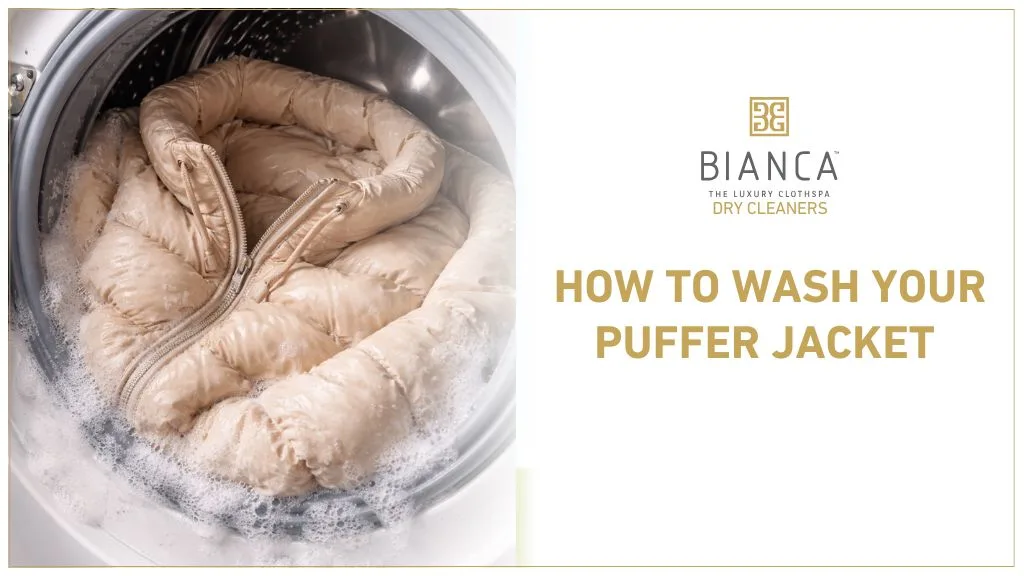
Washing a puffer jacket may seem easy, but doing it correctly is essential to maintain its warmth, loft, and fabric integrity. If you’re wondering how to wash a puffer jacket safely without damaging the delicate insulation—whether down or synthetic—you’ve come to the right place.
This expert care guide covers everything from understanding the jacket’s construction to step-by-step washing and drying tips that preserve its fluffy, cosy feel from season to season.
Why Construction Matters for Washing
Because puffers rely on delicate fibres or feathers plus the trapped air for insulation, rough washing, heat, or wrong detergents can:
- Collapse the loft, reducing warmth.
- Cause feathers or fibres to clump.
- Damage outer shells or water-repellent coatings.
- Reduce the lifespan of the jacket.
Hence, puffer jackets need careful, gentle washing and appropriate drying — you can’t treat them like ordinary clothes.
Understanding Your Puffer Jacket: Down vs Synthetic Fill
Before washing, it is essential to determine the type of insulation your jacket uses, as down and synthetic fill react differently to water, detergent, and heat.
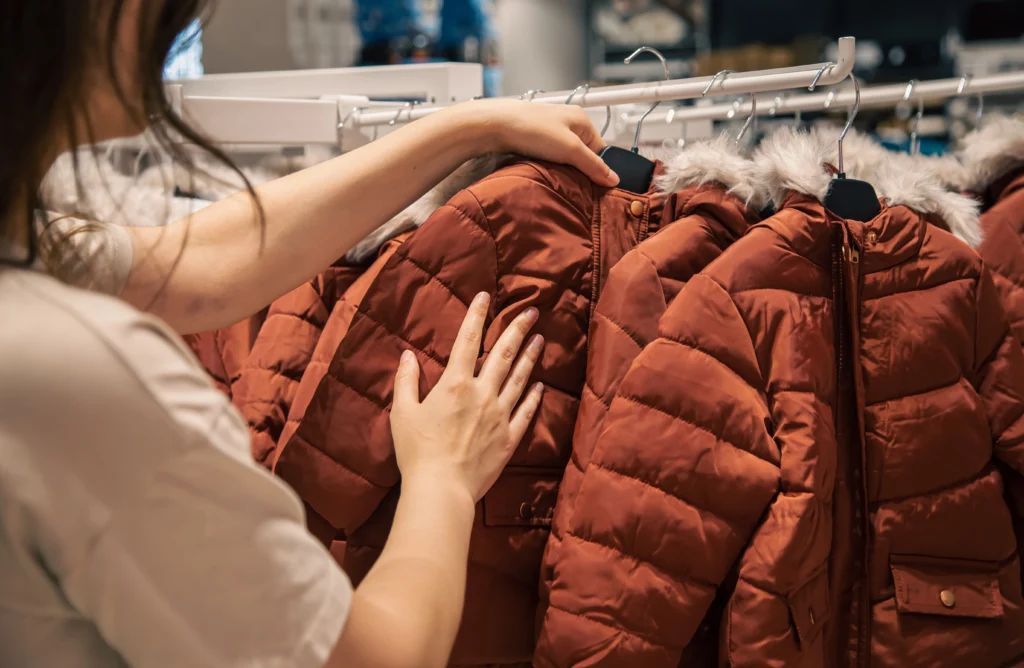
- Down-filled jackets rely on the natural structure of feathers and the trapped air within them. Harsh detergents or hot water can strip away natural oils and collapse the loft.
- Synthetic-filled jackets: more tolerant of washing, but still vulnerable to high heat or rough handling that can break fibres or damage outer fabric.
This difference influences how you should wash, dry and maintain each type.
Step-by-Step Guide: How to Wash Your Puffer Jacket the Right Way
Here are professional, proven steps you can use — whether washing at home or sending it to cleaners.
- Check the care label: Always start by reading the manufacturer’s instructions. If it says “dry clean only,” send it for professional cleaning.
- Pre-treat stains gently: Use mild detergent, especially for down jackets. Avoid bleach or strong stain removers. If needed, use a soft cloth or sponge for spot cleaning.
- Zip up and fasten all closures: Fasten zippers, Velcro, and buttons before washing to prevent fabric snags or damage.
- Turn the jacket inside out (if recommended): This can reduce friction on the outer shell during washing, protecting both the shell and insulation.
- Choose the right washer and cycle: A front-loading washer is preferable (less aggressive than top-loaders with agitators). Select cold water (or lukewarm if permitted) and a gentle/delicate cycle.
- Use a fabric-safe, mild detergent: Avoid using bleach, fabric softeners, or regular harsh detergents — they can strip protective coatings and reduce insulation efficiency. A down-specific cleaner or mild detergent is ideal.
- Use minimal detergent and extra rinse: Excess detergent residue can weigh down fibres — use a small amount and, if possible, an additional rinse cycle to ensure all detergent is removed.
- Wash the jacket alone or with balancing items: Avoid washing with bulky items; if needed, add towels to help balance the load. Overcrowding can compress insulation unevenly.
How to Prevent Clumping and Protect the Jacket's Loft
One common problem after washing a puffer jacket is clumping — the fill bunches up, reducing warmth and comfort. Here’s how to avoid that.
- Use dryer balls or clean tennis balls during tumble drying (if allowed) — they help separate fill clusters and restore loft.
- Dry in controlled conditions, avoiding high heat which can damage down or synthetic fibres.
- After drying, manually fluff and shake the jacket to redistribute filling evenly.
- Ensure the jacket is fully dry before storing — dampness can lead to mildew or reduced insulation.
Caring for Different Fabrics Used in Puffer Jackets
Puffer jackets comprise several components — each requiring specific care considerations:
- Outer shell (nylon, polyester, water-resistant coatings): Sensitive to high heat and harsh detergents. Use mild cleaners, avoid using bleach, and dry on a low heat setting or air-dry.
- Insulation (down or synthetic fill): Down needs gentle detergents and careful drying to maintain loft. Synthetic fill is more durable but still requires low-heat drying and gentle washing.
- Water-repellent or DWR coatings (if present): Fabric softeners and harsh detergents can strip these coatings; use cleaners designed for outdoor gear or mild detergents instead.
Taking care of each material preserves the jacket’s functionality and lifespan.
When to Choose Professional Cleaning
There are instances where home washing may not be the ideal solution. Consider professional care when:
- The jacket’s loft fails to recover after being washed and dried at home.
- The outer shell or coating shows wear or loses water resistance.
- Odour or stains remain after proper washing.
- You are unsure about the care label instructions.
Professional cleaning ensures expert handling, controlled drying, and restoration of the insulation loft.
Frequently Asked Questions (FAQ)
A puffer jacket is a quilted, insulated winter jacket. Its signature warmth comes from inner filling—natural down (duck/goose feathers) or synthetic fibres—that traps air in tiny pockets. The outer shell is made from lightweight nylon or polyester, featuring baffles that evenly distribute insulation.
Manufacturers stitch or quilt compartments (baffles) filled with down or synthetics. Shells feature durable, water-resistant nylon/polyester (often DWR-coated) for windproofing. Zippers and trims add functionality.
Insulation relies on loft (fluffiness) for warmth. Hot water, harsh detergents, or rough drying collapse fill, strip coatings, damage fibres—reducing warmth and lifespan.
Similar process: cold water, gentle cycle, tech detergent, low-heat drying. Down needs extra fluffing (with dryer balls); synthetics, on the other hand, tolerate moisture better but still require care.
Once or twice a season, at most—spot clean stains. Over-washing wears out the loft and fabric.