
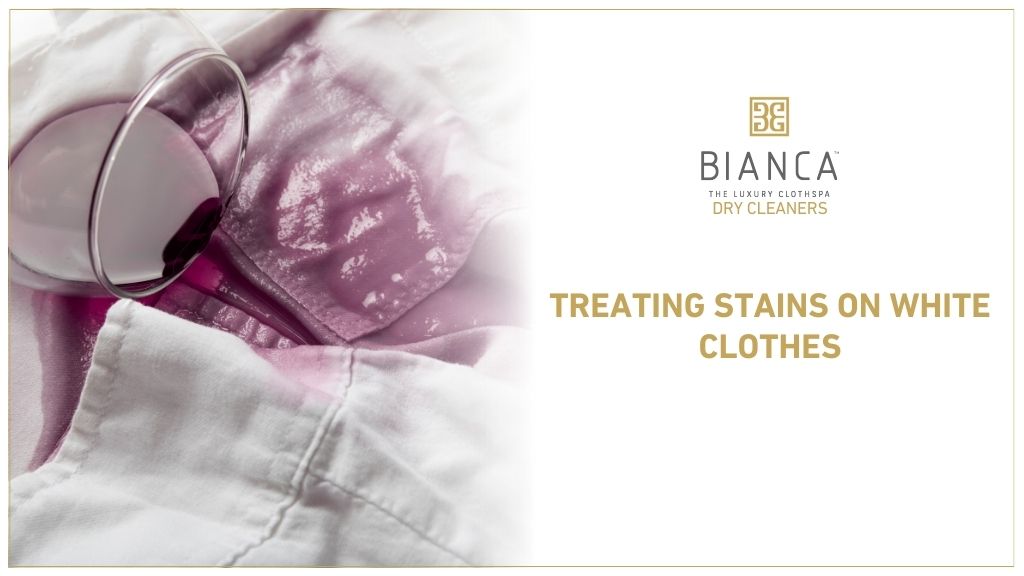
White clothes don’t give us second chances. A small spill, a little sweat, or even Mumbai’s humidity can leave a mark that feels permanent. Over the years, I’ve realised that most damage doesn’t come from the stain itself, but from rushed attempts to fix it.
Learning how to remove stains from white clothes properly isn’t about stronger products — it’s about understanding fabric, timing, and restraint. When handled thoughtfully, even delicate whites can be restored without losing their softness or structure.
Before You Do Anything: The First 5 Minutes Matter
Most damage happens in the first few minutes after a stain appears.
Here’s what I always recommend:
- Gently blot the stain, rather than rubbing it. Rubbing pushes the stain deeper into the fabric.
- Use cold water first. Heat can permanently set many common stains.
- Never dry a stained garment. Drying locks stains in and makes them far harder to remove later.
Even following just these basics can dramatically improve results.
Step One: Identify the Stain Before Treating It
Not all stains behave the same way, and treating them blindly is why results are inconsistent.
From experience, most stains on white clothes fall into a few common categories:
- Food and beverage stains
- Oil and grease
- Protein stains such as sweat, blood or dairy
- Ink, dye or colour transfer
- Cosmetics and personal care products
Once you know the type of stain, choosing the right approach becomes much easier.
How We Treat Common Stains on White Clothes
Food and Beverage Stains
These stains are typically water-based and respond well to early treatment. Gentle rinsing and mild treatment often work if the stain hasn’t had time to settle.
In Mumbai’s warm, humid climate, timing matters. Even a few hours can allow a food stain to become stubborn.
Oil and Grease Stains
Oil doesn’t dissolve in water, which is why regular washing often fails to remove it effectively. I’ve found that gentle absorbents work better initially than aggressive cleaners.
Patience is key here. Rushing this step usually spreads the stain rather than removing it.
Protein Stains (Sweat, Blood, Dairy)
These stains react badly to heat. Hot water can bond proteins permanently to fibres, leaving marks that refuse to fade.
Cold treatment first is essential. Once the stain lifts, regular washing becomes safe.
Ink and Colour Transfer
These stains require extra care. Rubbing or over-treating can cause pigment to spread across the fabric, resulting in an uneven appearance.
When ink or dye doesn’t respond to gentle methods, it’s best to stop early. This is where professional cleaning often saves the garment from permanent damage.
Home Remedies vs Commercial Stain Removers
We are often asked which option is better, and the answer depends on the stain.
- For fresh, light stains, simple home methods are usually enough and help preserve fabric softness.
- For old or deep stains, commercial stain removers can be more effective when used carefully.
What matters most is knowing when to stop. Escalating treatment unnecessarily often damages the fabric more than the stain ever did.
Fabric Safety: What We Are Always Careful About
One of the biggest mistakes we see is treating all white clothes the same way. It is crucial to understand that cotton, blends, and delicate fabrics react differently to chemicals and heat. Bleach and harsh products may temporarily brighten whites, but they weaken fibres and dull the garment over time.
We always advise testing any treatment on a hidden area first, avoiding product mixing, and opting for repeated gentle treatments over a single harsh attempt.
Some stains don’t just affect colour — they weaken the fabric itself if not properly handled. In such cases, professional restoration focuses on preserving structure and finish, not just removing marks.
You may find it helpful to read our detailed guide on restoring delicate garments safely, which explains how careful treatment protects luxury materials.
What We Do for Old or Set-In Stains
Old stains aren’t hopeless, but they demand restraint.
Instead of scrubbing harder, I rely on controlled, repeated treatments. If a stain refuses to lift after several careful attempts, pushing further usually harms the fabric more than it helps.
At this stage, professional care often offers better results with far less risk.
How We Keep White Clothes Looking White for Longer
Prevention plays a crucial role in maintaining the whiteness of garments.
White clothes stay brighter when:
- Washed separately,
- Not overloaded in the washing machine,
- Dried thoroughly in humid weather,
- And stored in a clean, breathable manner.
Overwashing whites can actually cause them to get faster.
When Professional Cleaning Is the Better Choice
Some stains — especially dye transfer, grease saturation, or marks on delicate fabrics — respond better to expert care.
Professional cleaning isn’t about more potent chemicals. It’s about precision, fabric knowledge, and controlled treatment. In many cases, it saves garments that home methods quietly ruin.
Clean Whites Are About Care, Not Force
White clothes last longer when we treat them with care and thoughtfulness. Acting early, understanding stains, and knowing when to stop make all the difference.
Sometimes, the best way to protect a garment is recognising when it needs experienced hands.
Frequently Asked Questions
Hot water should only be used after the stain is entirely removed. Using heat too early can permanently set many common stains.
This happens when the stain wasn’t entirely removed before drying. Heat causes leftover residue to resurface.
Gentle treatments can be repeated as needed. This is safer than using harsh chemicals in one attempt.
Occasional sunlight can help brighten whites. Prolonged exposure, however, may weaken fibres and cause yellowing.
Humidity, detergent residue and improper storage are common causes. In Mumbai, moisture plays a major role in this change.