
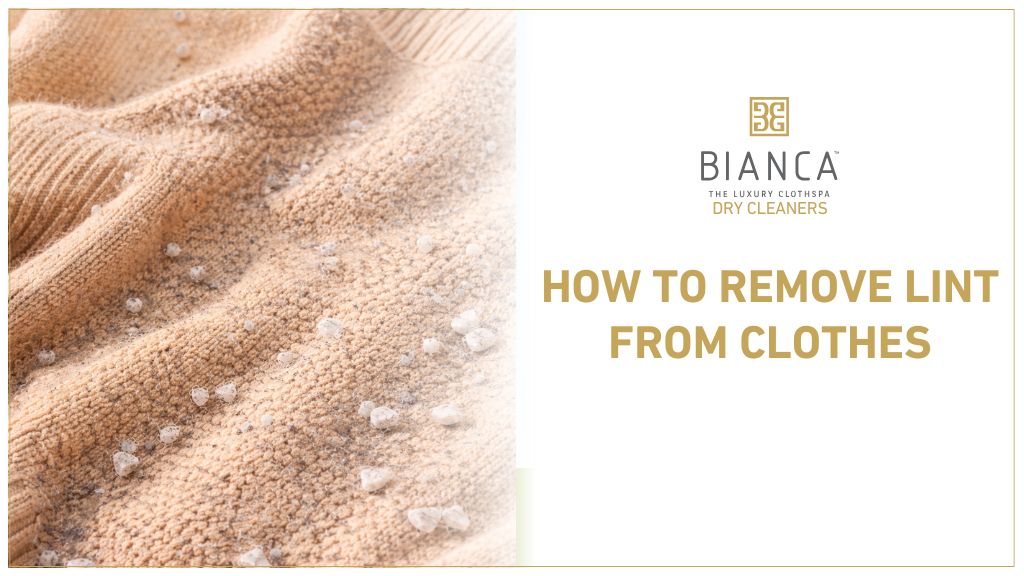
Lint can be one of the most frustrating issues for keeping clothes sharp. That little fuzz that clings to your fabrics can dull the finish of your favourite garments, make luxury pieces look older, and tends to pop up just after you wash or wear an item.
At Bianca Cloth Spa, clients rush in daily with this headache to keep their wardrobes flawless despite Mumbai’s challenging humidity and active lifestyle that accelerates friction and fibre shedding.
In this article, I break down why lint forms, how our professional techniques tame it, and, most importantly, how you can prevent lint build-up for great-looking clothes every day.
What Causes Lint in Clothes — Understanding the Problem
Lint is basically tiny broken fibres that have come loose from fabric surfaces. These fibres end up clinging to clothes—or transferring during washing and drying cycles. Softer, loosely woven textiles shed fibres more easily, so lint is especially noticeable on materials like knits, wool, or fleece.
Here’s how lint typically forms:
- Friction: Bags, seatbelts, jewellery rub fibres loose daily
- Mixed Laundry: Washing different textures, such as towels with delicate silks, can cause lint transfer from rougher fabrics.
- Incorrect wash settings, including harsh spinning, high temperatures, and aggressive detergents, weaken fibres, increasing shedding.
- Fabric Age & Environment: older clothes or Mumbai’s high humidity mean fibres naturally loosen faster.
Where there’s fibre breakage, there’s lint on your clothes waiting to annoy you. But the good news is, Pro Care can definitely help.
Professional Lint Removal Techniques We Swear By
Whenever someone asks us how to remove lint safely without damaging fine fabric, the first step is always fabric assessment. Every garment is unique and deserves care that matches its fibre type. Here’s how our team tackles lint professionally:
- Fabric-Safe Lint Brushes: Glide smoothly on wool/cotton, resulting in zero tugging, ideal for both wool and high-end cotton.
- Anti-Static Rollers – Professional rollers pick up lint while reducing static cling, resulting in less lint being left behind.
- Fabric Combs for Knits & Wool – Special precision combs remove lint balls from delicate knits, cashmere, and wool without damaging the weave.
- Steam-Assisted Removal – Steam softens fibres, making lint detach easily. We carefully control the temperature to protect delicate items, such as silk and cashmere.
- Machine Lint Capture Systems – Our commercial washers feature advanced filters to trap loose fibres mid-cycle, boosting overall fabric cleanliness.
- Gentle Finishing Touches – Finally, we smooth the garment’s surface with fabric-specific finishing strokes to restore its natural sheen and smoothness.
We avoid any harsh scrubbing or abrasive tools because they only worsen fibre damage. Instead, we treat each piece with the utmost care to keep it looking fresh and luxurious.
Simple Ways You Can Prevent Lint Build-up

Just as they say, prevention is better than cure! Here are some small but effective habits to help keep lint at bay:
- Sort laundry by fabric texture so that heavy-shedding items, such as fleece or towels, don’t mix with delicate silks or synthetics.
- Always turn garments inside out before washing—that protects the surface from friction.
- Choose gentle liquid detergents designed to preserve fibres.
- Avoid overloading washing machines to reduce friction from clothing rubbing.
- Wash using cool to warm water; hot water breaks fibres faster.
- Dry clothes with care—over-drying and tumble drying intensify lint release. When possible, air-dry delicate fabrics to keep fibres strong.
Lint Versus Pilling: Know the Difference
Many people confuse lint with pilling, but they aren’t the same. Lint is loose fibres resting on surfaces, while pilling occurs when fibres twist and form small, stubborn balls. Pilling indicates more permanent fabric abrasion, common in soft woollens and synthetic blends.
If pilling’s a concern, learn how to manage it here:
Fabric-Specific Lint Care You Need to Know
Different fabrics behave differently under wear and washing, so our care always varies accordingly:
- Cotton is breathable but prone to shedding, so we brush gently to avoid damaging fibres.
- Wool and cashmere need combing rather than rolling, using soft, delicate tools.
- Knits require careful and gentle lint lifting to avoid stretch or distortion.
- Fleece sheds heavily, so washing separately is key.
For more detailed fabric advice, check this out:
Why Professional Care Is the Best Solution for Stubborn Lint
Living in Mumbai, we understand that environmental factors fuel frequent lint issues: humidity, pollution, and commuting all cause extra friction and fibre breakdown. Our professional approach combines expert fabric assessment, industry-grade technology, premium finishing, and controlled care environments specifically designed to preserve fabric integrity, colour, texture, and, of course, minimise lint build-up.
Want to go beyond home remedies?
Explore our services here: Bianca Cloth Spa Services
And when lint persists on your treasured luxury pieces, our pick-up and delivery service makes care effortless. Contact us anytime: Contact Bianca Cloth Spa.
Frequently Asked Questions
Yes! Excessive heat breaks fibres. Air-drying delicate fabrics is safer.
Absolutely—using fresh adhesive rollers or a speciality lint brush works best.
Similar! Our anti-static methods address both effectively.
It's a decent rinse aid, but professional treatments achieve far better results.
Dirty dryer traps and mixing fabrics often cause this. Professional servicing can solve it.